
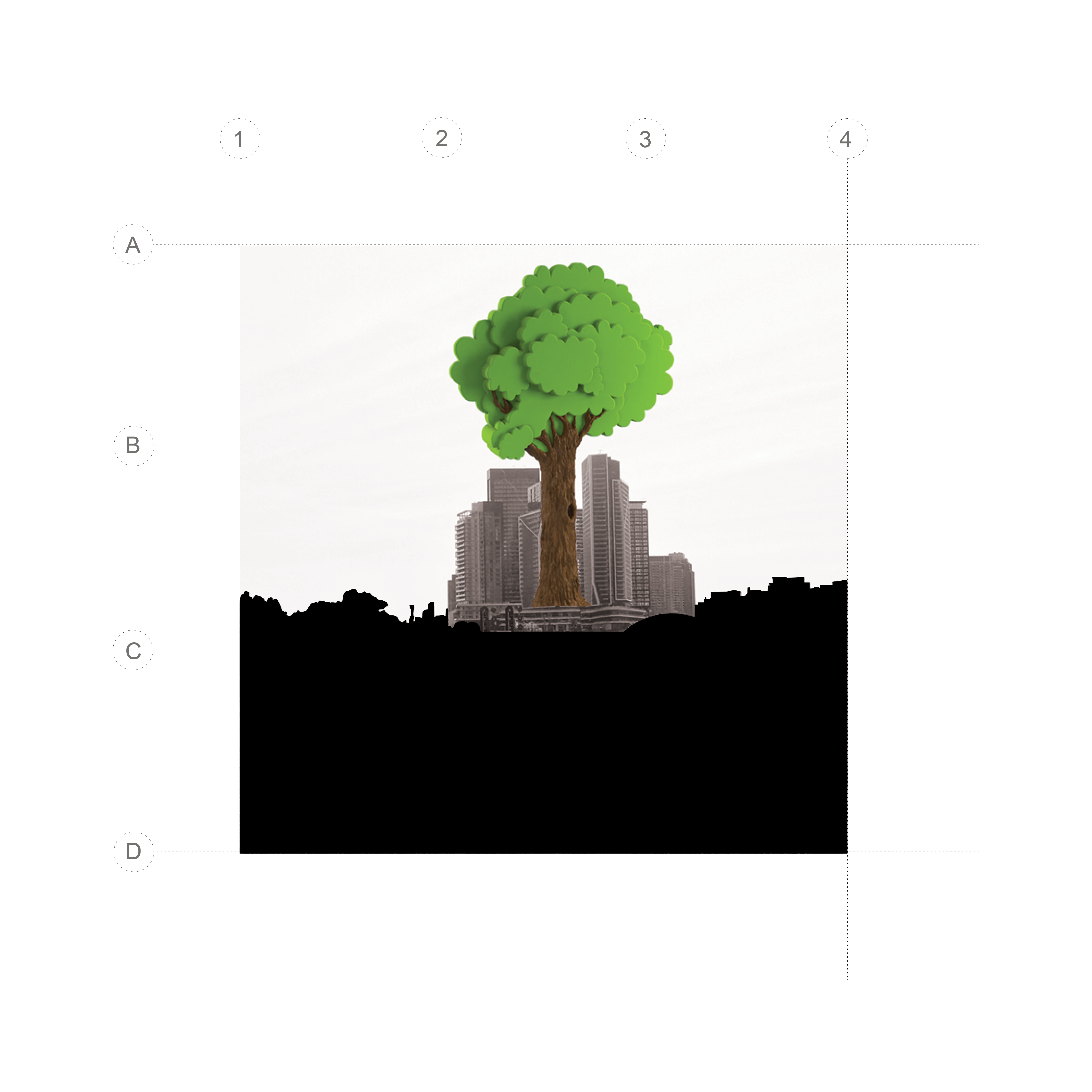
I wrote the following essay in 2022, during the foggy tailwinds of the pandemic, in response to an architectural writing competition. Constrained by a 400-word limit, the piece compressed thought more than it clarified it. It did not offer a neat answer to the question posed: “What is Sustainable Architecture?” Notably, the competition brief did not actually demand one.
If I were to answer the question today, I would begin here: at face value “sustainable architecture” is an oxymoron. Nothing in this universe can be sustained against the inevitability of entropy. When we use “sustainable” as an adjective, we freeze an action into a quality. The phrase “sustainable architecture” makes sustainability appear as an inherent, static property of a building, like its height or colour. Yet the root verb of “sustainable” is sustain, from the Latin sustinere, meaning “to hold up”. What architects often mean, then, is architecture that sustains something. The more urgent question is not how architecture is sustainable, but what it sustains.
In conventional practice, much of what is called “sustainable architecture” sustains existing socio-economic systems – market logics, property regimes, and growth imperatives – more than ecosystems. If the system being sustained is extractive capitalism, then the phrase “sustainable architecture” becomes oxymoronic all over again. It sustains not life, but the structures that degrade life.
Asking what is sustained forces us to confront architecture’s entanglement in larger ecological, economic, and social systems. Although the language of the essay is compressed and at times opaque, the values it articulates remain central to my thinking. If anything, I would now be more unreserved in imagining a radical architect who might never build again, echoing Charlotte Malterre-Barthes’ call for “a moratorium on new construction”. A truly novel architect may need to deconstruct both architecture and the architect.
For such an architect, architecture would be less about building than the relationships they stabilize, disrupt, or make possible.
The essay received an honourable mention, but more importantly, it articulated a question I am still learning to answer with greater clarity.

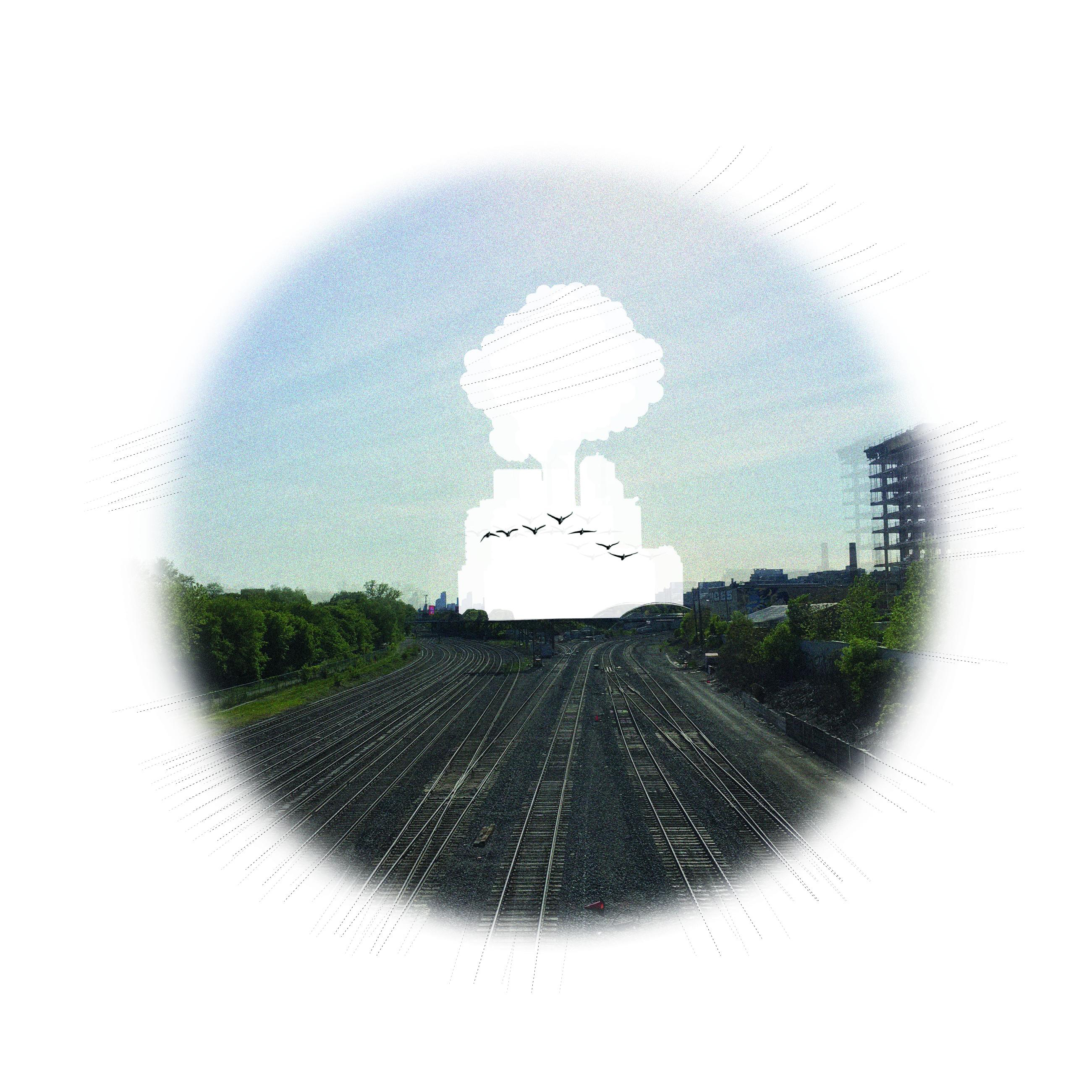
June 14, 2022
Sustainability is a normative concept without a universal definition, allowing it to be co-opted despite infinite growth on a finite planet also being an implausibility. Architects and architectural thought are complicit in this hijacking, which propagate hierarchical techniques of domination. The techniques of the architect need to be redesigned. The architect and architecture need to be rethought.
Instead of championing the surficial icon, whether object or starchitect, the procedures of architecture are what need to be foregrounded, towards a more ambitious scope of care. These procedures should address energy not only as a technical quantification to be controlled, like a carbon footprint, but more importantly as a socio-political matrix shaped through a questioning of values. Rather than prioritizing technological innovations, or performance via LEED metrics, we should prioritize the dissection of a human psychology that has valued unlimited growth throughout its history of oppression and extraction. Only through pathologizing our materials and techniques whose externalities are veiled can alternative architectures of relevance be realized. Otherwise, our innovations will continue to veil an inequitable status quo.
An alternative architecture of potential relevance would envision a building not as a static, finished object, but as a continually changing and open system of relationships. Interconnected with larger global systems, these relationships would trace a different map of the architect’s responsibilities, to now encompass the flow of materials, labor, and energy across a lifespan of time. Enmeshed with an ethos of stewardship, this web of relationships would be strengthened through participatory processes, where communities are empowered to co-design a circular, regenerative economy alongside architects. Crucially, these relationships should be reconfigured to be reciprocal and non-anthropocentric, acknowledging the nexus between humans, non-humans, and shared land. Such aspirations of coexistence are not new, with Indigenous Peoples across the planet embodying similar values, making an anti-colonial mindset imperative to any future architecture, in solidarity with Indigenous sovereignty.
To a radical architect, perhaps ‘sustainability’ and ‘architecture’ are myths akin to Sisyphus, who put Death into chains, so no human had to die. Such an architect might find acceptance in their absurdity and jettison faith in either concept, embracing the inevitability of entropy and never building again. Yet, if intrinsic meaning is untenable in either concept, then perhaps meaning can still emerge from our relationships with others, honored in a wider context than has been our anthropocentric norm, through embracing difference, change, and all that we cannot control.
